
What to Drink When You Stop Drinking: Alcohol-Free Guide
Sep 24, 2026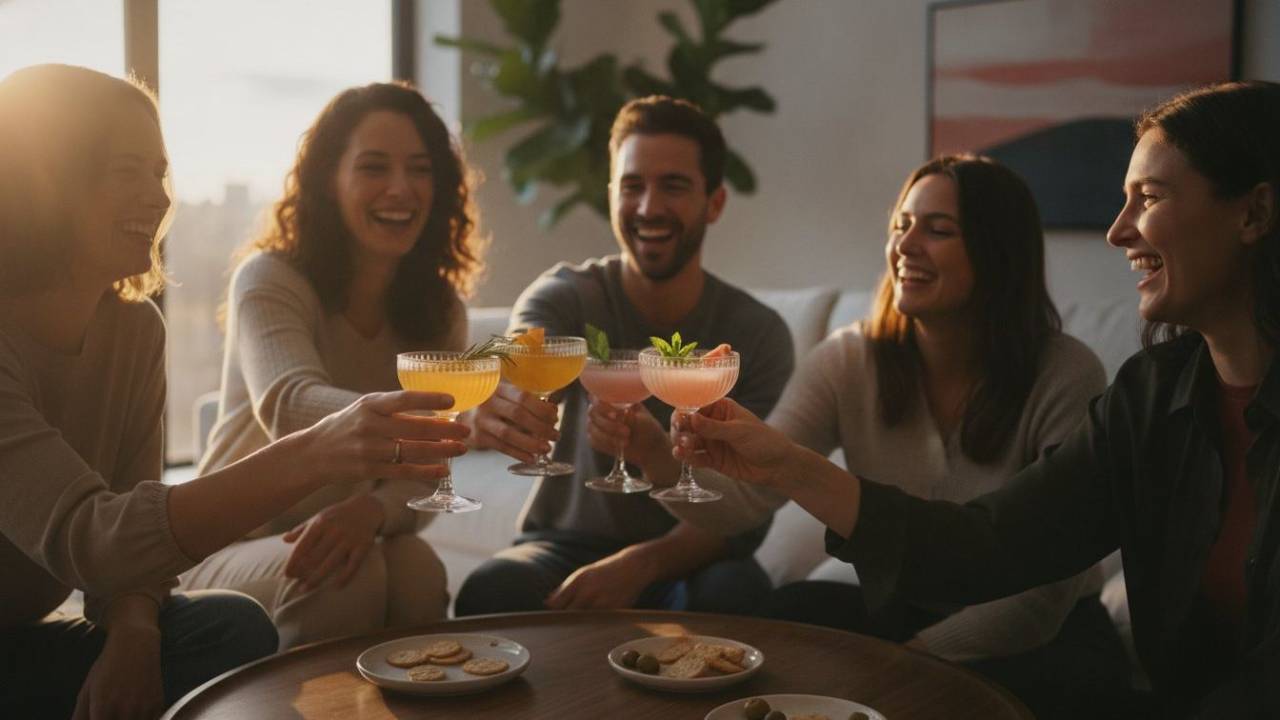
What if your 5 PM wind-down actually gave you energy instead of stealing your tomorrow? Most of us grew up believing that "adulting" requires a cocktail in hand to mark the end of the day. When you first quit, that 5 PM itch feels less like a choice and more like a missing limb. You're bored with water, tired of the sugar cravings, and honestly, you're likely struggling to figure out what to drink when you stop drinking without feeling like a social outcast. I've been there, staring at a soda lime like it's a sad consolation prize.
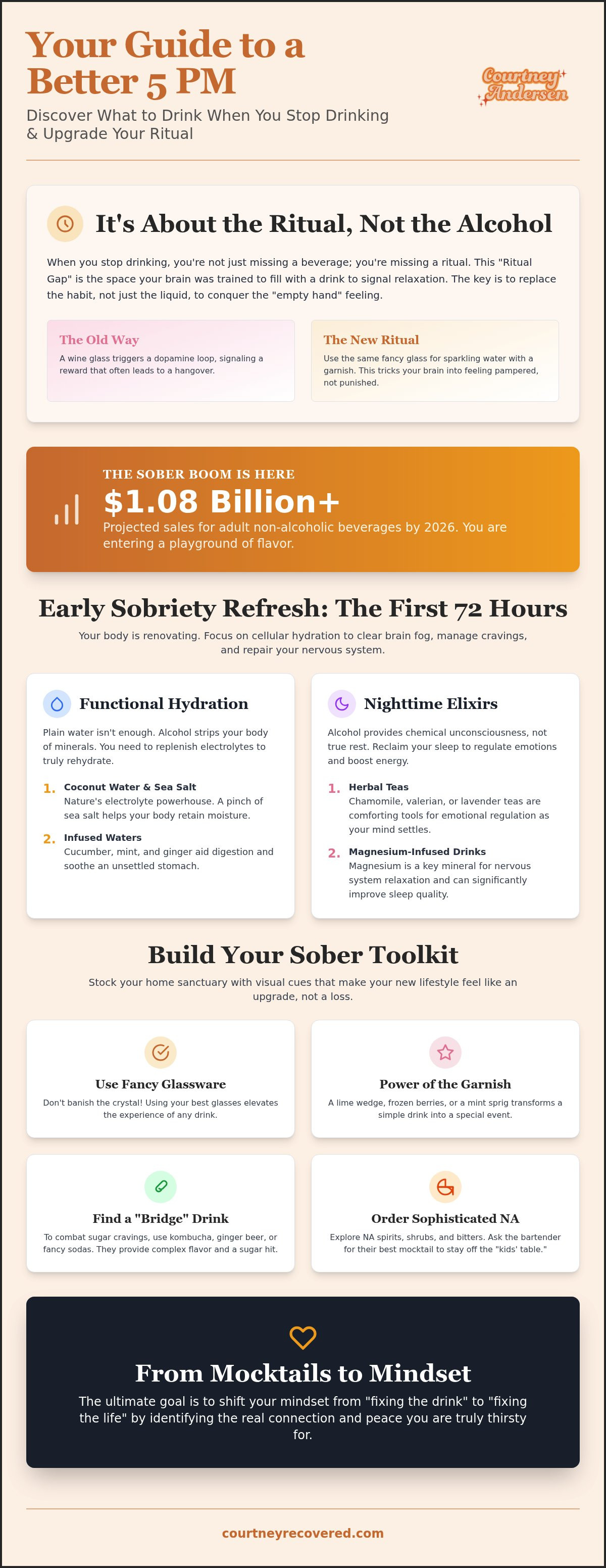
The truth is that this transition isn't about settling. It's about a total liquid upgrade. With adult non-alcoholic beverage sales surpassing $1.08 billion in 2026, you're entering a playground of flavor that didn't exist a few years ago. You deserve a ritual that feels celebratory, not restrictive. In this guide, you'll discover how to replace old habits with vibrant alternatives that make sobriety feel like a massive promotion. We're diving into functional botanicals, sophisticated NA spirits, and how to build a sober toolkit that keeps you confident in any crowd. It's time to find a signature drink that actually loves you back.
Key Takeaways
- Stop worrying about the "empty hand" syndrome by learning how to close the ritual gap with drinks that actually match your energy.
- Discover exactly what to drink when you stop drinking to support your nervous system with cellular hydration and electrolytes during those first 72 hours.
- Explore the 2026 "Sober Boom" and learn how to order sophisticated NA spirits that keep you off the "kids' table" at any social event.
- Build your home sanctuary by stocking a Sober Toolkit with visual cues that make your new lifestyle feel like a massive upgrade, not a loss.
- Shift your mindset from "fixing the drink" to "fixing the life" by identifying the real connection and peace you are actually thirsty for.
Why the 'What to Drink' Question Is Really About the Ritual
When you first set down the bottle, the silence in your hands can feel deafening. You aren't just missing the alcohol; you're missing the "Ritual Gap." This is that specific space between your workday and your evening, or the gap between arriving at a party and feeling comfortable. Most of us have spent years training our brains to associate a specific glass with exhaling. Your brain creates a dopamine loop where the mere sight of a wine glass or a beer mug triggers a reward signal before the liquid even touches your lips.
The fear of the empty hand is real. It's that awkward, fidgety sensation that makes you feel like an outsider in your own living room or a social pariah at a wedding. Understanding this helps you realize that the struggle isn't always about a physical craving for ethanol. Often, it's a craving for the ceremony, the weight of the glass, and the permission to relax. Ritual Sobriety is the practice of keeping the celebration while removing the toxin.
Breaking the Association Between Glassware and Chaos
You don't need to banish your crystal to the back of the cupboard. In fact, using your fancy wine glasses for sparkling water can trick your brain into feeling pampered rather than punished. The psychological power of the garnish is massive. Adding a wedge of lime, a handful of frozen berries, or a sprig of fresh mint transforms a plain drink into a special event. This visual cue acts as a new evening anchor, signaling to your nervous system that the workday is over without the subsequent chaos of a hangover.
The First 30 Days: Why Your Body Craves Sugar
Your body is a smart machine, and it's used to the massive influx of sugar that comes with regular drinking. When you stop, your blood sugar levels can tank, leading to intense cravings for sweets. This is why you might find yourself face-deep in a bag of gummy bears at 9 PM. During these first 30 days, choosing what to drink when you stop drinking becomes a strategic move. Fancy sodas, ginger beer, or kombucha can act as a bridge. They provide the complex flavors and the sugar hit your body is mourning, making the transition much smoother. If you find yourself constantly negotiating with these cravings, you might be dealing with Gray Area Drinking, where the habit is more deeply ingrained than you realized.
The Early Sobriety Refresh: Healing Your Body One Sip at a Time
Early sobriety is a physical renovation. Your body is doing the heavy lifting to clear toxins and rebalance your internal chemistry. In the first 72 hours, you might feel like a dried-out sponge. Plain tap water often isn't enough because alcohol is a ruthless diuretic that strips your body of essential minerals. When you're figuring out what to drink when you stop drinking, you need to focus on cellular hydration. This means getting water into your cells, not just through your system. Electrolytes play a massive role here, helping to repair a nervous system that has been living on high alert.
Hydration is the first act of self-love in recovery.
Functional Hydration: More Than Just H2O
Think of functional hydration as your internal cleanup crew. It's about giving your body the tools to clear the brain fog that often clouds those first few weeks. Structured hydration, or drinking mineral-rich fluids at intentional intervals, helps your brain communicate better. This makes those early cravings much easier to manage. If you're feeling overwhelmed by the physical shift, my 1:1 sobriety coaching provides the personalized roadmap you need to make these new habits stick.
- Coconut water and sea salt: Nature's ultimate electrolyte powerhouse. A pinch of high-quality sea salt in coconut water helps your body actually retain the moisture it needs to heal.
- Infused waters: Cucumber, mint, and ginger aren't just for spa days. Ginger is a miracle worker for digestive repair, while mint helps soothe a restless stomach.
Nighttime Elixirs for Better Sleep
The "wine pass-out" isn't real sleep; it's chemical unconsciousness that leaves you exhausted. Reclaiming your rest is a major win. Herbal teas are fantastic tools for emotional regulation, giving you something warm and comforting to hold while your mind settles. What you drink when you stop drinking in the evening can make or break your energy levels the next morning.
- Magnesium-infused drinks: Magnesium is the natural chill pill. It helps relax your muscles and quiet the racing thoughts that often peak at 2 AM.
- Chamomile and Valerian: These classic herbs provide a gentle nudge toward sleep without the grogginess of a hangover.
- Tart cherry juice: This natural melatonin booster can help. A small glass before bed can help regulate your sleep-wake cycle naturally, helping you wake up feeling actually refreshed.
Navigating the Bar: Elevated Alternatives That Don't Feel Like 'The Kids Table'
Gone are the days when your only option at a wedding was a lukewarm ginger ale or a sad glass of orange juice. We're living in the 2026 Sober Boom. Adult non-alcoholic beverage sales have officially surpassed $1.08 billion in U.S. off-premise sales this year. Bars and restaurants are finally prioritizing sophisticated menus because they know we want the vibe without the headache. When you're deciding what to drink when you stop drinking, you aren't stuck with the kids' menu anymore. You're looking for complexity, bite, and a ritual that feels intentional.
The new wave of NA spirits, including botanical gins, smoky tequilas, and oaky whiskeys, uses advanced de-alcoholization to keep the flavor profile intact while removing the ethanol. If you miss that specific "kick" at the back of your throat, look for kombucha, tepache, or shrubs. Shrubs are vinegar-based syrups that provide a sharp, adult complexity that sugar-heavy sodas just can't match. They encourage you to sip slowly, which is exactly what a good cocktail is designed to do. Bitters are another secret weapon; just a few dashes in club soda can create a dry, aromatic drink that feels far more "night out" than "recess."
The Mocktail vs. The 'No-Low' Spirit
Understanding the categories helps you order with confidence. Some drinks focus on flavor, while others aim to naturally shift your state of mind using adaptogens like Ashwagandha or Reishi mushrooms. These ingredients can offer a subtle, natural buzz or a sense of calm without the subsequent crash.
| Category | Flavor Profile | Sugar Content | Social Vibe |
|---|---|---|---|
| NA Spirits | Complex, botanical, bitter | Low to zero | Sophisticated, high-end |
| Adaptogen Drinks | Earthy, herbal, unique | Moderate | Relaxed, "natural buzz" |
| Standard Mocktails | Sweet, fruity, bright | High | Playful, celebratory |
A quick heads-up: NA beer and wine can be a double-edged sword. For many, they are the perfect bridge. For others, the smell and taste are so close to the real thing that they can trigger a relapse. Always check in with your gut before ordering one of these if you're in early sobriety.
The Social Script: How to Order Like a Boss
Ordering with confidence is a superpower. At a corporate event, try: "I’ll have a botanical NA gin and tonic with extra lime, please." If someone asks why you aren't drinking, you don't owe them a medical history. A high-energy "I’m actually on a performance kick right now and feeling amazing" usually shuts down the questions immediately. For more ways to navigate these rooms and find your people, check out my Sober Community Online. You'll find that once you own your choice, the "why" matters much less than the "how" of your new, vibrant life.
How to Build Your Sober Toolkit: Stocking Your Fridge for Success
Your environment is your silent partner in sobriety. If you open the fridge at 5 PM and see nothing but a half-empty pitcher of tap water, your brain will scream "deprivation." The "Visual Cue" strategy is about flipping that script. Stock your fridge with a vibrant, colorful array of options so your eyes land on a reward before your mind wanders back to old habits. Deciding what to drink when you stop drinking becomes much easier when the answer is already chilled and waiting for you.
An essential DIY sober bar includes a few high-quality bases like premium tonic water, spicy ginger beer, and flavored seltzers. Keep a dedicated drawer for garnishes: fresh mint, sliced jalapeños, and citrus. For high-stress days when the "f-it" button feels tempting, use the "Emergency Soda" rule. This is a specific, slightly more expensive or "treat" beverage that you only open when things get tough. It provides an immediate dopamine hit of novelty that can bridge the gap between a craving and a calm evening. Integrating these physical items into your daily environment is a core part of building a solid Sober Toolkit.
The 5-Minute Sober Signature Drink
You need a "go-to" that takes less time than pouring a glass of wine. Complexity is the secret to satisfying an adult palate, so bitterness is your best friend. Try a base of sparkling water with a heavy splash of grapefruit juice and two dashes of aromatic bitters. The bitterness mimics the "bite" of alcohol, signaling to your brain that this is a sophisticated choice. Treat the preparation like a mindful meditation. Focus on the sound of the carbonation and the scent of the citrus zest. This ritual replaces opening a bottle with an act of self-care.
Hosting Sober-Friendly Gatherings
Hosting doesn't have to be a big deal or a public announcement. Use the "Pitcher Strategy" by making one large, beautiful NA beverage for the table, like a cucumber and basil sparkling lemonade. It looks festive, tastes incredible, and takes the pressure off everyone. You'll often find that your guests actually prefer the NA option, especially when it’s served with the same energy as a top-shelf cocktail. Normalizing these choices is how we remove the stigma together. If you're ready to take this lifestyle to the next level, check out my 1:1 sobriety coaching to build a life you don't need to escape from.
From Mocktails to Mindset: Why Connection is the Ultimate Thirst Quencher
You aren't actually thirsty for alcohol. You're thirsty for connection, peace, or a way to turn down the volume of a loud life. While finding what to drink when you stop drinking is a vital practical step, it's ultimately a bridge to the deeper work. You're transitioning from fixing the drink to fixing the life. When you address the root causes of your stress or isolation, that 5 PM urge starts to lose its power. It's about moving from surviving the day without a drink to thriving in a life you don't need to escape. This is where the liquid in your glass becomes a minor detail because the reality you're living is so much more vibrant.
Moving Beyond the Glass
Eventually, the drink becomes an afterthought. You'll realize you're no longer scanning the room for the nearest bottle or checking how much is left in the pitcher. Many "high-functioning" drinkers hide behind their success, using alcohol as a secret reward for their productivity. But that's a trap that keeps you small. True success is having a nervous system that doesn't need a chemical sedative to enjoy a Tuesday night. You're gaining everything: clarity, energy, and genuine presence. You aren't losing a single thing. This is about reclaiming your power and realizing that the celebration was always about the people and the moment, not the ethanol.
Your Next Step: The Personalized Roadmap
If you're tired of the "Day 1" loop, it's time to stop trying to white-knuckle it alone. Finding what to drink when you stop drinking is just one piece of the puzzle. For the deeper "why" behind your habits, 1-on-1 Sobriety Coaching is the ultimate tool to bridge the gap between where you are and where you want to be. We'll identify your specific triggers and build a roadmap that actually fits your real, messy, beautiful life.
If you're stuck in a cycle of "just one more night," my Stop Starting Over program is built to break that momentum once and for all. For those ready to live "The After" with a group of people who truly get it, the Sobriety Circle membership offers the community support you've been missing. You've got the drinks; now let's build the life you actually want to be present for. You deserve to feel this good every single day.
Claim Your Seat at the Vibrant Table
You've discovered that upgrading your glass is about more than just the liquid; it's about reclaiming your ritual. By focusing on functional hydration to heal your body and stocking a toolkit that keeps you feeling pampered, you're building a foundation for a life that feels like a massive promotion. Deciding what to drink when you stop drinking is just the first step toward finding the genuine connection you've actually been thirsty for.
I've walked this path and written the Sober Vibes Book to show you that "The After" is where the real magic happens. You don't have to navigate this lifestyle shift alone. Whether you're looking for the high-energy support of the women in our Sobriety Circle or a deeply personalized, non-clinical approach to your growth, I'm here to help you bridge the gap.
Ready to build a life you don't need to escape? Book your 1:1 Sobriety Coaching discovery call here.
You're gaining clarity, energy, and a future that actually loves you back. You've got the tools and the roadmap. Now, it's time to live it. I'm so proud of you for choosing yourself.
Frequently Asked Questions
Is it okay to drink non-alcoholic beer in early sobriety?
Drinking non-alcoholic beer is a personal choice that depends entirely on your specific triggers. For some, it’s a helpful bridge that makes social events easier; for others, the taste and smell are a slippery slope. Keep in mind that "non-alcoholic" can mean up to 0.5% ABV under 2026 regulations. If you’re feeling shaky or find the ritual too similar to your old habits, stick to 0.0% alcohol-free options or sparkling water.
What is the best drink to replace red wine at night?
Tart cherry juice is the ultimate nighttime replacement for red wine because it offers a deep, complex flavor and a natural melatonin boost. If you miss the specific ritual of the glass, try pomegranate juice mixed with a splash of sparkling water and two dashes of bitters. This combination provides the tannins and "bite" you’re used to without the morning-after headache. It’s a sophisticated, healthy way to wind down your evening.
How do I deal with sugar cravings after I stop drinking?
Sugar cravings are completely normal because your body is mourning the massive influx of glucose it used to get from alcohol. Don't fight them too hard in the first month. Instead of reaching for processed candy, try a high-quality ginger beer or a kombucha. These provide the sweetness and the complex flavor profile your brain is seeking. Over time, these cravings will settle as your blood sugar stabilizes and your gut health improves.
Are mocktails healthy or just full of sugar?
Mocktails vary wildly, so it’s all about the ingredients you choose. While some bar versions are essentially adult juice boxes loaded with syrup, you can create healthier versions using herbal infusions and botanical spirits. Focus on functional ingredients like ginger for digestion or fresh berries for antioxidants. When you’re deciding what to drink when you stop drinking, prioritize recipes that use fresh juices or herbal teas over processed sweeteners and heavy syrups.
Can I use bitters in my drinks if I'm sober?
Bitters are technically high-proof alcohol, but because you only use a few dashes, the final ABV of your drink remains negligible. Many people in sobriety use them for the dry, aromatic flavor they add to club soda. However, if you are strictly 0.0% or find the botanical scent triggering, it's best to skip them. Several brands now offer glycerin-based, alcohol-free bitters that provide the same complexity for your home bar.
What should I order at a bar so I don't feel awkward?
Order a "botanical NA gin and tonic" or a "spicy ginger beer with extra lime" to keep the social vibe alive. These drinks look identical to alcoholic cocktails, which removes the pressure of explaining your choice to others. With adult non-alcoholic sales hitting $1.08 billion in 2026, most bartenders are now trained to make sophisticated NA drinks. Ordering with high-energy confidence is the best way to avoid feeling like an outcast.
What are adaptogens and can they help me relax without alcohol?
Adaptogens are natural herbs and fungi, like Ashwagandha and Reishi, that help your body manage stress and find balance. Many modern NA spirits include these to offer a subtle, natural sense of relaxation without the intoxication. They are a fantastic tool for your Sober Toolkit when you need to take the edge off a long day. They support your nervous system rather than numbing it, helping you wake up feeling actually refreshed.
How do I handle friends who pressure me to 'just have one'?
Handle pressure with a short, high-energy declaration like, "I'm actually on a performance kick right now and feeling too good to stop." You don't owe anyone a clinical explanation of your sobriety. If people keep pushing, it's usually a reflection of their own relationship with alcohol. This is a great topic to bring to my Sobriety Circle, where we practice specific boundary-setting scripts so you can navigate any social event with total confidence.
I want you to feel sober NOT boring!
Kickstart your sobriety with my free 2-day video workshop series to master your sober mindset and have FUN in your sobriety journey!


